
How to Tell When Your Lawn Needs Aeration
If your lawn shows signs like compacted soil, thinning grass, or water pooling, local contractors can assess and perform aeration to improve lawn health.
Understanding when your lawn needs aeration is an important step in maintaining a healthy, lush yard. Property owners in the area often notice signs like compacted soil, pooled water after rain, or a decline in grass vitality, which can indicate that aeration is needed. Recognizing these practical indicators helps ensure the lawn receives the proper care it requires. Local contractors who specialize in lawn aeration can evaluate these signs and determine the best approach to improve soil health, allowing grass roots to breathe and grow more effectively. Keep reading to learn how to identify these common signals and discover how local service providers can assist in revitalizing your lawn.
By paying attention to your yard’s condition and understanding the signs that suggest aeration is necessary, property owners can take proactive steps to support a thriving lawn. Issues like thin patches, slow recovery from foot traffic, or persistent thatch buildup are all clues that aeration might be beneficial. Connecting with experienced local pros can help address these concerns efficiently, ensuring your lawn receives targeted treatment that promotes stronger growth and better resilience. Exploring these practical tips and understanding when to seek professional aeration services can make a noticeable difference in maintaining a vibrant, healthy outdoor space.
- Common Projects - Lawn aeration services are recommended when soil compaction is evident, and local contractors assess soil health to determine the need for aeration.
- Common Projects - If the lawn shows signs of poor drainage or uneven growth, local service providers can evaluate and perform aeration to improve turf conditions.
- Common Projects - When lawns experience heavy foot traffic or thatch buildup, local pros can provide aeration to help restore healthy root development.
- Common Projects - Signs of a spongy or soft lawn often indicate the need for aeration, with local contractors offering solutions to enhance soil aeration.
- Common Projects - If the grass struggles to recover after overseeding or fertilizing, local service providers can perform aeration to promote better seed-to-soil contact.
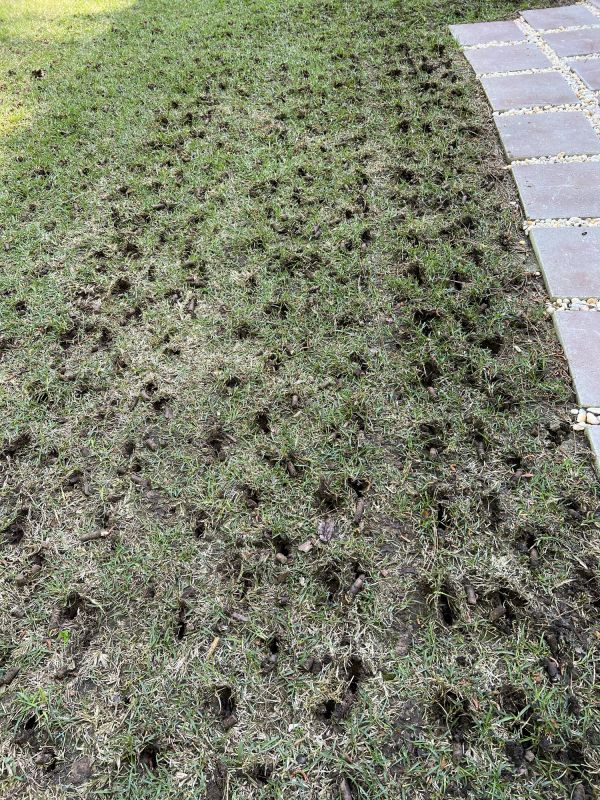
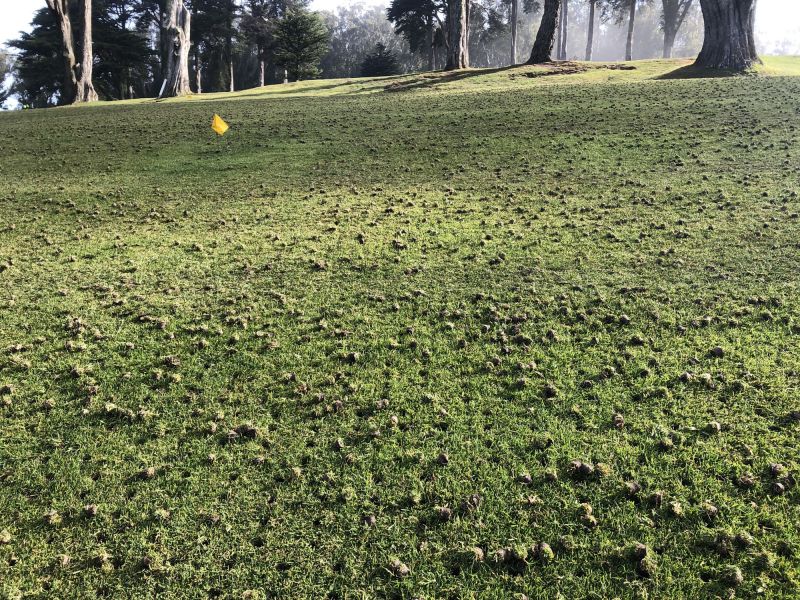
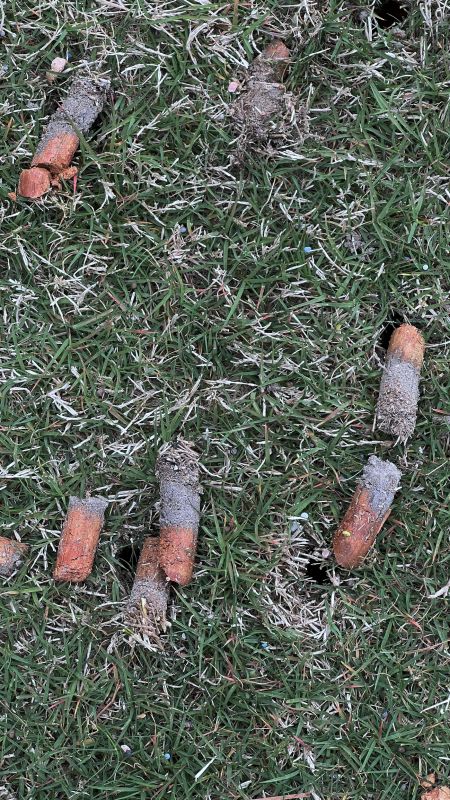
Understanding when a lawn needs aeration is a common concern among homeowners looking to maintain a healthy, lush yard. Typically, people search for this topic when they notice signs of poor grass growth, thinning patches, or uneven color that doesn't respond well to watering and fertilizing. These issues often indicate that the soil beneath the surface has become compacted or that air, water, and nutrients are not reaching the roots effectively. Recognizing these early warning signs can help homeowners decide whether aeration might improve their lawn’s overall health and appearance.
The problems associated with a lawn that needs aeration are usually related to soil compaction, poor drainage, or excessive thatch buildup. When soil becomes dense, it prevents roots from expanding and accessing vital resources, leading to weak, stressed grass. This situation can be common in lawns that see heavy foot traffic, are regularly fertilized, or are situated in areas with heavy clay soil. Homeowners planning to overseed, improve drainage, or simply boost the vigor of their grass often consider aeration as part of their lawn care strategies. Local service providers specializing in lawn aeration can assess these issues and recommend the best approach to restore soil health.
Properties that typically come up in discussions about aeration include residential yards of various sizes, especially those with established lawns that have shown signs of decline. Lawns with high traffic areas, such as around playsets or patios, are more prone to compaction and may benefit from periodic aeration. Additionally, properties with clay-heavy soil or those experiencing poor drainage often require aeration to improve soil structure. Homeowners with lawns that have become patchy or stubborn weeds that won’t go away may also find that aeration helps create a better environment for grass to thrive. Local contractors who specialize in lawn aeration can evaluate these property types and determine the best treatment plan.
Knowing how to tell when a lawn needs aeration connects directly to ongoing lawn maintenance and improvement projects. Homeowners can look for specific signs, such as soil that feels hard or crusty, water pooling after rain, or grass that is slow to recover after mowing. These indicators suggest that the soil is compacted or that airflow to the roots is restricted. Engaging with experienced local service providers ensures that aeration is performed correctly and at the right time, maximizing benefits for the lawn. Proper assessment and professional aeration can lead to healthier roots, more vigorous growth, and a more resilient yard overall.
Lawn Repair Projects - repairing bare or thin spots in a lawn often requires aeration to promote healthy grass growth, making it a related service offered by local contractors.
Soil Testing Services - understanding soil compaction and nutrient levels can help determine when aeration is needed, with local pros providing testing and recommendations.
Overseeding Projects - overseeding is more effective when the soil is properly aerated, and local service providers can coordinate both tasks for optimal results.
Drainage Improvement Services - addressing poor drainage issues often involves aeration to alleviate soil compaction and improve water absorption, with local contractors capable of managing these projects.
Landscape Grading Services - grading can impact soil health and compaction, and local pros can assist with aeration as part of broader landscape improvements.
Tree and Shrub Care - soil aeration benefits root health for trees and shrubs, with local providers offering targeted aeration and related landscape services.
When evaluating lawn aeration service providers, it is important to consider their experience with similar projects. A contractor with a history of performing aeration for residential lawns can bring valuable knowledge about different soil types, grass varieties, and common issues that may affect your yard. This experience helps ensure that the work is tailored to your specific lawn conditions, resulting in more effective results. Homeowners should inquire about the types of properties the contractor has worked on and whether they have addressed lawns with issues like compacted soil or poor drainage, which are often signs that aeration is needed.
Clear written expectations are essential when comparing local contractors for lawn aeration services. A reputable provider will be transparent about what the process involves, including the scope of work, the equipment used, and any preparations needed on the homeowner’s part. Having this information in writing helps prevent misunderstandings and ensures that everyone is aligned on the project’s goals. It’s also helpful to understand what outcomes can be expected, such as improved soil health or better water absorption, so that the homeowner can assess whether the service aligns with their lawn care needs.
Reputable references and good communication are key factors in selecting a reliable service provider. Contractors who can provide references from previous clients demonstrate their ability to deliver consistent results and customer satisfaction. Additionally, clear and prompt communication throughout the process can make a significant difference in the overall experience. Homeowners should look for providers who are willing to answer questions, explain their methods, and listen to any concerns. This level of engagement helps ensure that the lawn aeration service will be performed to meet the homeowner’s expectations and address the specific signs that indicate a lawn needs aeration.
Property owners often search for how to tell when your lawn needs aeration when they are planning practical projects around their homes and businesses. Local pros provide Lawn Aeration services for everyday jobs and straightforward project options.
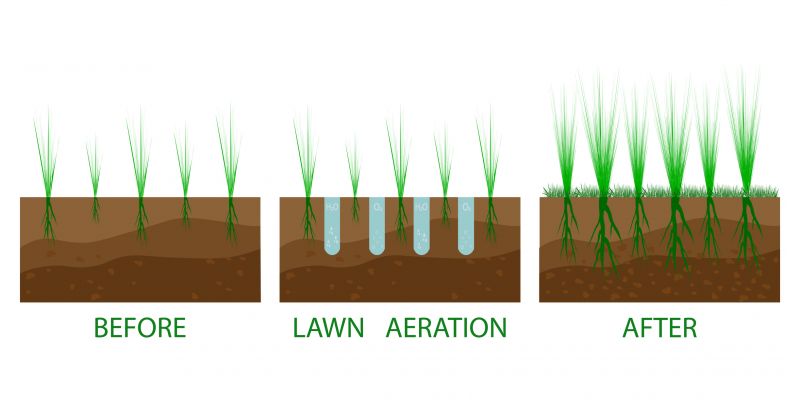
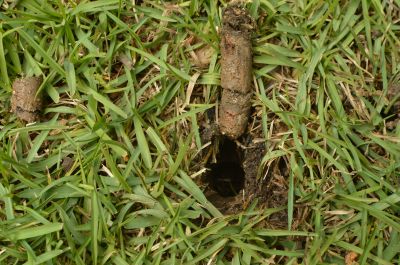
A common sign that a lawn may need aeration is when the grass begins to feel compacted or develops a spongy feel underfoot. Property owners often notice that water tends to pool or drain slowly after watering or rain, indicating that the soil is too dense for proper absorption. Additionally, if the grass appears thin, patchy, or struggles to recover after periods of drought or heavy foot traffic, it could be a sign that the roots are not receiving enough air, making aeration services by local contractors a worthwhile consideration.
Another indicator is the presence of shallow or tightly packed soil that makes it difficult for nutrients and water to reach the roots effectively. If aeration has not been performed in several years, these issues tend to become more noticeable, prompting property owners to seek professional help. Local service providers can evaluate the lawn’s condition and determine whether aeration can improve soil health and promote a lush, healthy appearance.
How can I tell if my lawn needs aeration? Signs that your lawn may need aeration include compacted soil, areas of poor drainage, or thinning grass that struggles to grow evenly across the yard. Local contractors can assess your lawn’s condition and recommend appropriate aeration services.
What are common indicators that my lawn requires aeration? Common indicators include areas where the grass feels hard or dense, footprints leave lasting impressions, or you notice moss or thatch buildup. Professional service providers can identify these issues and provide aeration solutions.
When should I consider lawn aeration based on its appearance? If your lawn shows signs of uneven growth, patchy spots, or slow recovery after mowing, it may benefit from aeration. Local experts can evaluate these signs and suggest suitable aeration treatments.
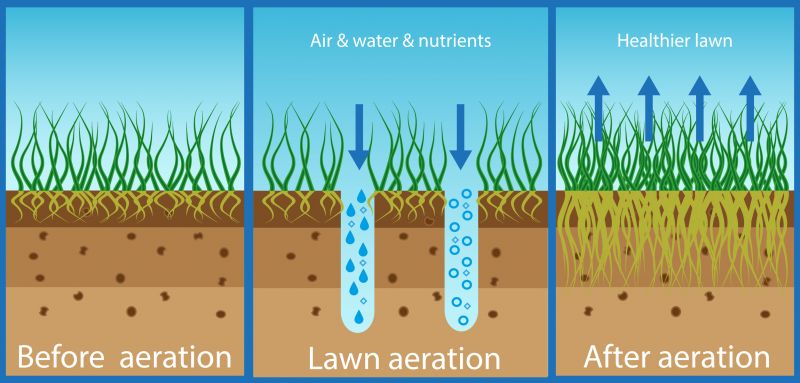
How does soil compaction relate to the need for aeration? Soil compaction reduces air, water, and nutrient flow to grass roots, leading to poor growth. Local lawn care professionals can determine if aeration can help loosen compacted soil and improve lawn health.
Are there specific lawn conditions that indicate it needs aeration? Conditions such as heavy foot traffic areas, lawns with thick thatch layers, or persistent drought stress can signal a need for aeration. Service providers can assess these conditions and recommend appropriate aeration services.
Soil compaction signs - noticing that your lawn feels hard or resistant when walking across it can indicate soil compaction, which local contractors can address with aeration.
Thatch buildup - a thick layer of thatch can prevent air, water, and nutrients from reaching roots, making aeration services beneficial for restoring lawn health.
Poor drainage or water pooling - areas where water sits or drains slowly may signal the need for aeration to improve soil permeability, with local pros providing the necessary treatment.
Slow grass growth - lawns that show sluggish growth despite regular care could be suffering from soil issues that aeration from experienced service providers can help resolve.
If you are thinking about how to tell when your lawn needs aeration for a property, this guide is meant to help you understand this topic, the typical project types, and how different options might fit your plans.
When you are ready, you can use the quote form on this page to share a few details about your project. From there, local pros can review the basics and follow up with options that match what you have in mind.